
Flight Computer
TEKJP develops a fully domestic, Japan-made flight computer compliant with the Pixhawk V6X standard. Through support for the global-standard PX4 OS, U.S. NDAA compliance, fusion with our own in-house BMS, and fusion with edge AI, it underpins safe, advanced flight control for industrial drones.
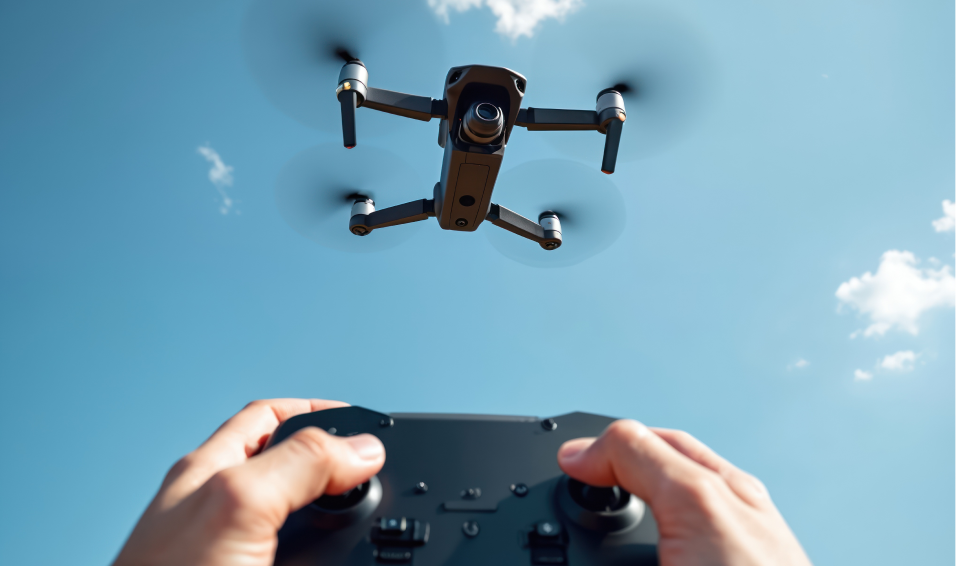
Sense, decide, communicate.
The core that controls flight.
A flight computer is the microcontroller board at the heart of a drone. It receives information from the multiple sensors mounted on the airframe—GPS, vibration sensors, and more—judges the airframe's attitude, and connects that to motor control and communication with the ground.
TEKJP develops flight computers compliant with the Dronecode Foundation's Pixhawk V6X standard, handling everything consistently from PCB design to embedded firmware implementation. The drone OS we run is the global standard, PX4. While ArduPilot is the mainstream choice in Japan, our PX4 compliance and fully domestic development secure connectivity with the global drone ecosystem while establishing our position as a domestic FC that also complies with the U.S. NDAA (National Defense Authorization Act).
We are also advancing the development of a new type of FC that fuses TEKJP's strength—our in-house BMS—with edge AI, providing the core functions that next-generation industrial drones require.
Three strengths TEKJP offers
The flight computer (FC) is the core of airframe control, an area of development that demands high reliability and extensibility. Building on compliance with global standards, TEKJP combines its own distinctive strengths to deliver FCs that support the next generation of industrial drones.
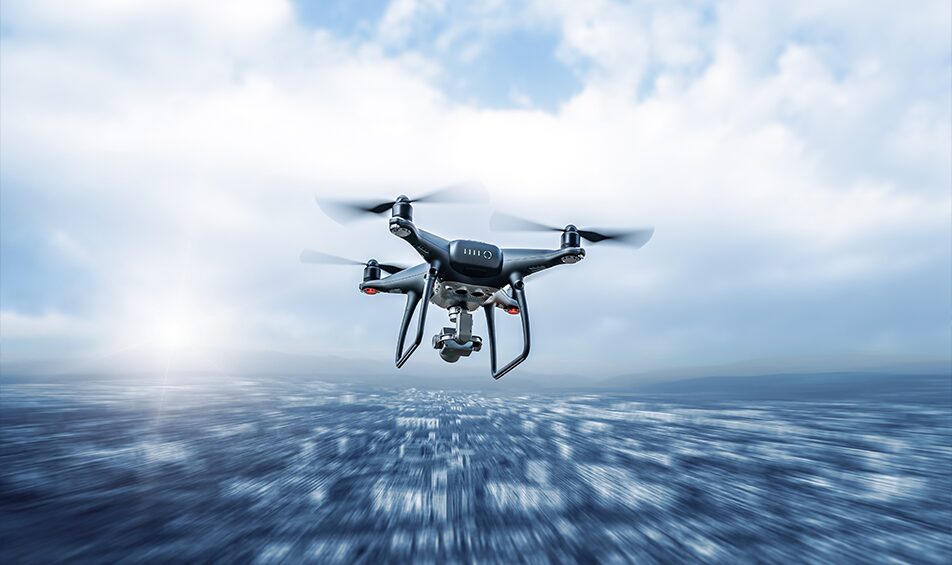
Pixhawk V6X + PX4 compliance
We comply with the Pixhawk V6X standard set by the Dronecode Foundation, developing everything in-house from PCB design to embedded firmware implementation. We adopt the global-standard PX4 as our drone OS and also comply with the U.S. NDAA (National Defense Authorization Act). The result is a fully domestic FC that combines compatibility with the international drone ecosystem and credibility in the U.S. market.

Fusion with edge AI
In addition to flight control, we are advancing the development of a new type of FC that fuses in edge AI. By running object recognition and autonomous flight in real time on the airframe itself, we realize low-latency, high-reliability next-generation drone functions that do not depend on the cloud.
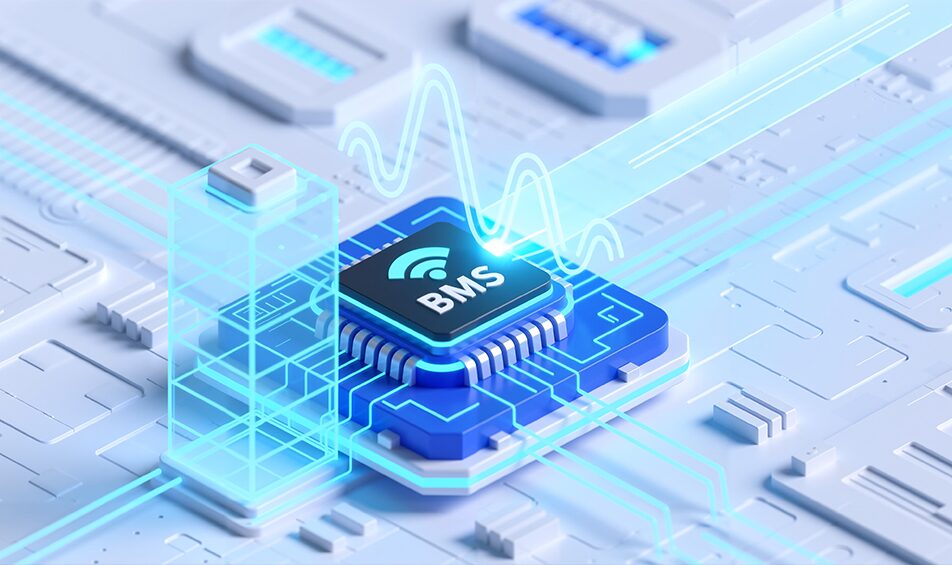
Fusion with the BMS
We fuse our in-house BMS with the FC through proprietary CAN communication. We support DroneCAN as well, but our proprietary CAN reflects battery status into flight control in real time—enabling flight planning based on remaining-charge prediction, temperature monitoring, safe behavior in the event of anomalies, and other ways of optimizing power and flight control as one.
Core technologies
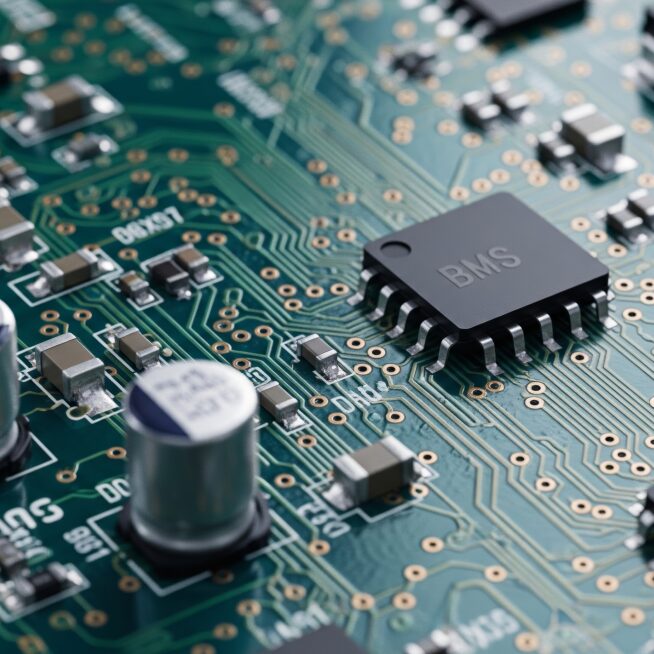
A flight computer runs on two wheels: hardware and software. TEKJP develops both consistently in-house and, through repeated real-airframe verification, delivers a reliable domestic FC.
Pixhawk V6X-compliant hardware design
We handle the microcontroller board compliant with the Pixhawk V6X standard set by the Dronecode Foundation in-house, from PCB design to implementation. We integrate multiple interfaces—GPS, IMU, barometer, various sensors, CAN communication, UART, and more—while achieving both miniaturization and weight reduction.
PX4-based firmware development
Based on PX4, the global-standard drone OS, we develop flight-control software optimized for each airframe. We carry out consistent development at the source-code level: balancing responsiveness and stability, supporting airframe-specific functions, and extending TEKJP's own proprietary features.
Edge-AI fusion architecture
To support next-generation functions that require AI computation—object recognition, autonomous flight, real-time image processing, and more—we are advancing the development of an architecture that fuses edge AI into the FC itself. With the flight controller and edge AI operating as one, we achieve both low latency and advanced processing power.
Fusion with the BMS (CAN communication protocol)
We fuse the flight computer with our in-house BMS over CAN communication. It acquires remaining charge, temperature, and cell status in real time and reflects them into flight control. We are designing a proprietary communication protocol that optimizes power and flight control as one.
Looking ahead
TEKJP offers its flight computer as a standalone product for drone manufacturers. We do not sell the airframes themselves, but real-airframe verification is essential to refining FC performance in real-world conditions. While developing experimental airframes in-house to serve as test platforms, we continuously run a cycle of FC refinement based on real flight data.
VISION 01
Developing drones in-house as experimental airframes
Verifying FC performance in real-world conditions requires flight on a real airframe. TEKJP designs and develops drone airframes in-house, dedicated to FC verification. As experimental airframes not intended for sale, they let us flexibly vary application, size, and onboard configuration to build the ideal platform for testing new FCs.
VISION 02
Thorough verification through real flight
Through real flight with the experimental airframes we develop in-house, we verify every aspect of the FC—responsiveness, stability, edge-AI processing performance, BMS coordination, and resistance to vibration, temperature, and electromagnetic environments. We accumulate real-airframe data that desktop simulation cannot reveal, using it as primary material for refinement.
VISION 03
Evolving the FC based on real-airframe data
Based on the data obtained in real flight, we continuously refine the FC's circuit design, firmware, communication protocols, and AI architecture. By running a cycle of prototype verification → data collection → FC refinement → feedback into the next-generation prototype, we polish the FC into one complete enough to withstand industrial use.
Build with us.
We're looking for people to build with us
We are hiring engineers who bring depth in a specialized field—circuit design, embedded software, power control, data control—while also being willing to step into adjacent areas. If you want to build things that actually work with your own hands, from design through implementation to verification, we'd love to talk with you.
Inquiries about the flight computer
Whether you'd like to discuss a development project,
have a technical question, or are interested in careers, please feel free to get in touch.